Deutsch
 Nederlands
 Русский
 Türkçe

Introduction
Laminate veneers, also known as dental veneers, are a popular dental solution that has revolutionized the way people approach dental issues. These thin layers of porcelain or composite resin are placed on the front surface of teeth and are used to improve their appearance and functionality. Laminate veneers are a cosmetic dentistry procedure that has become increasingly popular over the years, with more and more people opting for this procedure to enhance their smiles. In this article, we will provide you with a comprehensive guide on laminate veneers, including what they are, the benefits of this procedure, the different types of veneers, the cost, the procedure, and more.
What Are Laminate Veneers?
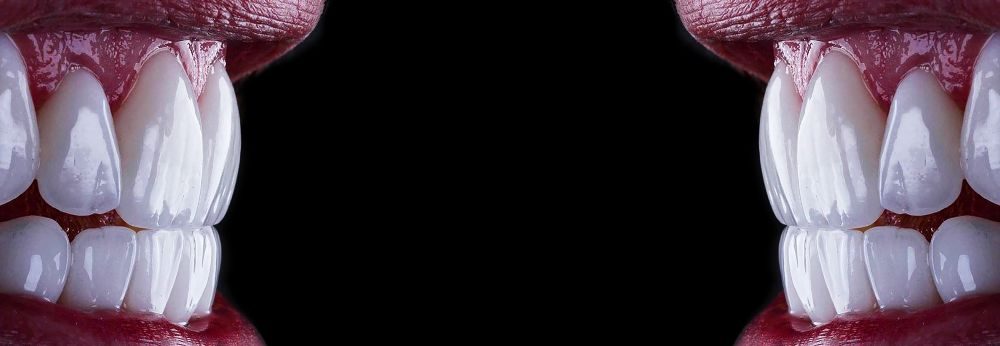
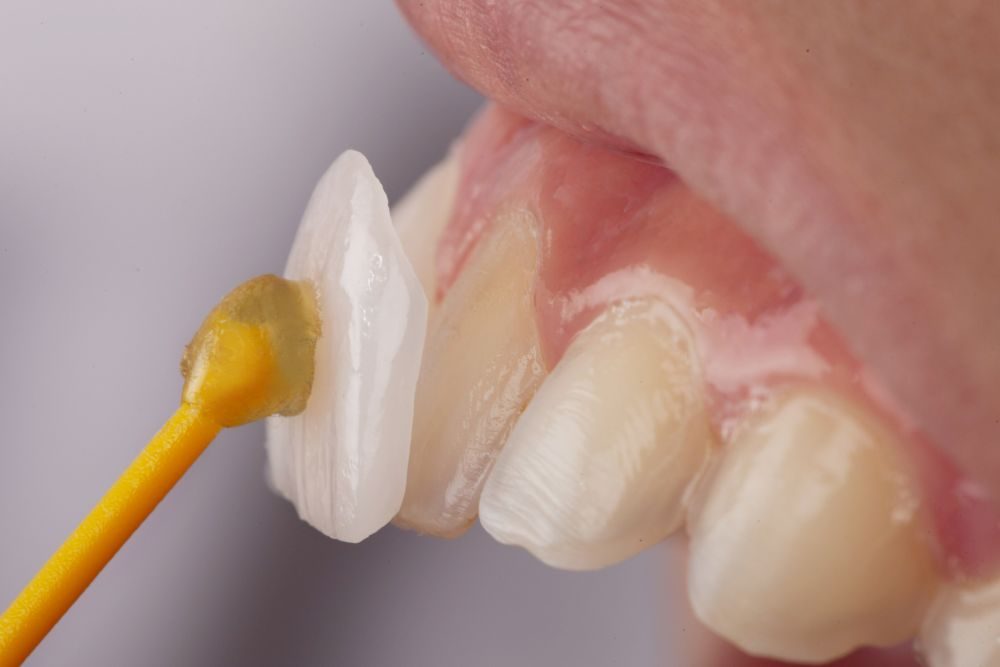
Laminate veneers are thin, custom-made shells designed to cover the front surface of teeth to improve their appearance. They are used to correct various dental issues, such as discoloured teeth, chipped or broken teeth, misaligned teeth, and gaps between teeth. Veneers can be made from either porcelain or composite resin, with each having its own benefits and drawbacks. Porcelain veneers are more durable and stain-resistant and offer a more natural look than composite resin veneers, which are less expensive and can be completed in a single dental visit.
Benefits of Laminate Veneers
- Improved appearance: Veneers can instantly brighten and straighten your smile.
- Long-lasting: With proper care, veneers can last 10–15 years.
- Stain-resistant: Porcelain veneers resist stains from coffee, tea, and tobacco.
- Minimal tooth reduction: Less invasive than many alternatives.
- Versatile: Corrects chips, cracks, misalignment, and gaps.
Types of Laminate Veneers
Porcelain Veneers
Thin custom shells bonded to the front of the tooth. Durable and highly stain-resistant; typically require more than one visit.
Composite Resin Veneers
Tooth-coloured material bonded directly to the tooth. Can be completed in one visit; less durable than porcelain and may need more frequent replacement.
The Cost of Laminate Veneers
Costs vary by veneer type, clinic location, and dentist experience. Porcelain veneers often range from $1000–$2500 per tooth; composite resin veneers from $250–$1500 per tooth. Most insurance plans do not cover cosmetic veneers.
The Procedure
The process typically includes three steps:
Consultation
Examination, X-rays, discussion of goals, and impressions if needed.
Preparation
Removal of a thin enamel layer to make room for veneers; final impressions are sent to the lab.
Placement
Custom veneers are tried in, adjusted, bonded with dental adhesive, and polished for a natural finish.
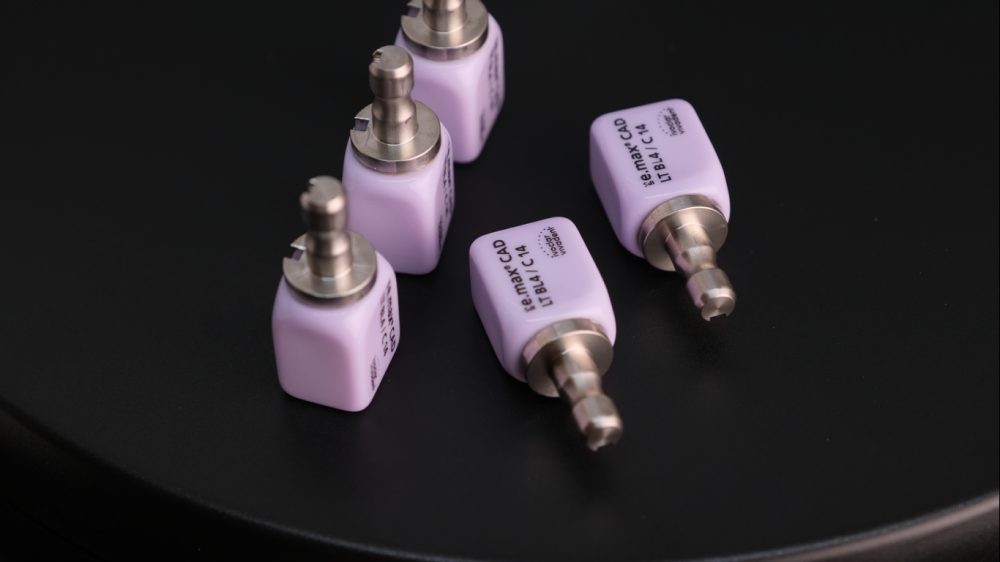
What Are the Benefits of Laminate Veneers?
- Improved appearance: Corrects discoloration, chips, cracks, and gaps.
- Minimal tooth reduction: Preserves more natural tooth structure.
- Durable: Strong porcelain or composite materials withstand daily use.
- Stain-resistant: Less prone to discoloration over time.
- Easy to maintain: Care with routine brushing, flossing, and check-ups.
Are There Any Risks or Drawbacks?
- Sensitivity: Temporary sensitivity may occur after enamel reduction.
- Cost: Typically higher than whitening or bonding.
- Irreversibility: Enamel removal is permanent; ongoing maintenance is required.
- Maintenance habits: Avoid hard/sticky foods and do not use teeth as tools.
How Long Do Laminate Veneers Last?
With proper care, laminate veneers commonly last 10–15 years or longer. Longevity depends on oral hygiene, habits, and parafunction (e.g., grinding). Damaged veneers can be replaced to restore your smile.
Conclusion
Laminate veneers are an effective, minimally invasive option for elevating your smile—addressing discoloration, chips, cracks, and gaps with natural-looking results.
Good oral hygiene, regular check-ups, and avoiding excessive biting forces help veneers last many years. Do not use your teeth to open packages or bite hard objects.
If you experience issues such as chipping or cracking, contact your dentist promptly for assessment and repair or replacement.
PREMIUM VENEER BRANDS WE USE