Composite fillings are a type of dental filling material made from a mixture of resin, plastic and glass-based particles. They may be used to repair teeth that have been affected by decay, cracks or fractures. Composite fillings are tooth-coloured, so they can blend with the natural colour of the teeth, making them an aesthetic restorative option in suitable cases.
Features of Composite Fillings
Composite fillings have several features compared with traditional silver amalgam fillings. They can be matched to the colour of the natural teeth, which may support a more natural appearance. In some cases, they may require less removal of healthy tooth structure during placement, helping to preserve more of the natural tooth. Composite fillings may also respond differently to temperature changes compared with silver amalgam fillings.
Types of Composite Fillings
Direct
Direct composite fillings are applied in a single visit to your dentist and cured on the spot using a special light.
Indirect
Indirect composite fillings are fabricated in a dental laboratory and then bonded to your tooth during a follow-up appointment. They may be used for larger fillings or for selected restorative and cosmetic needs, depending on clinical suitability.
Procedure for Composite Fillings
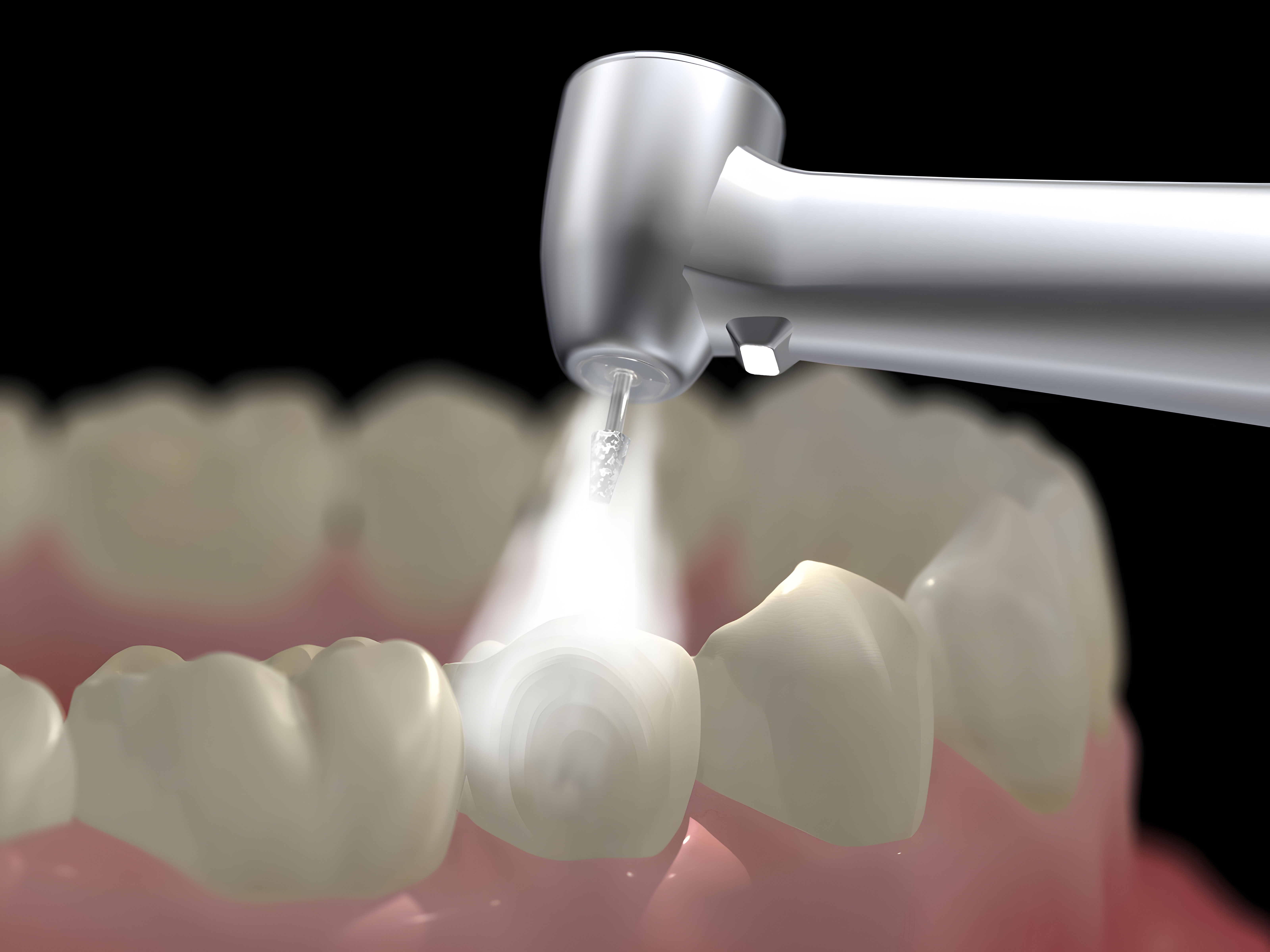
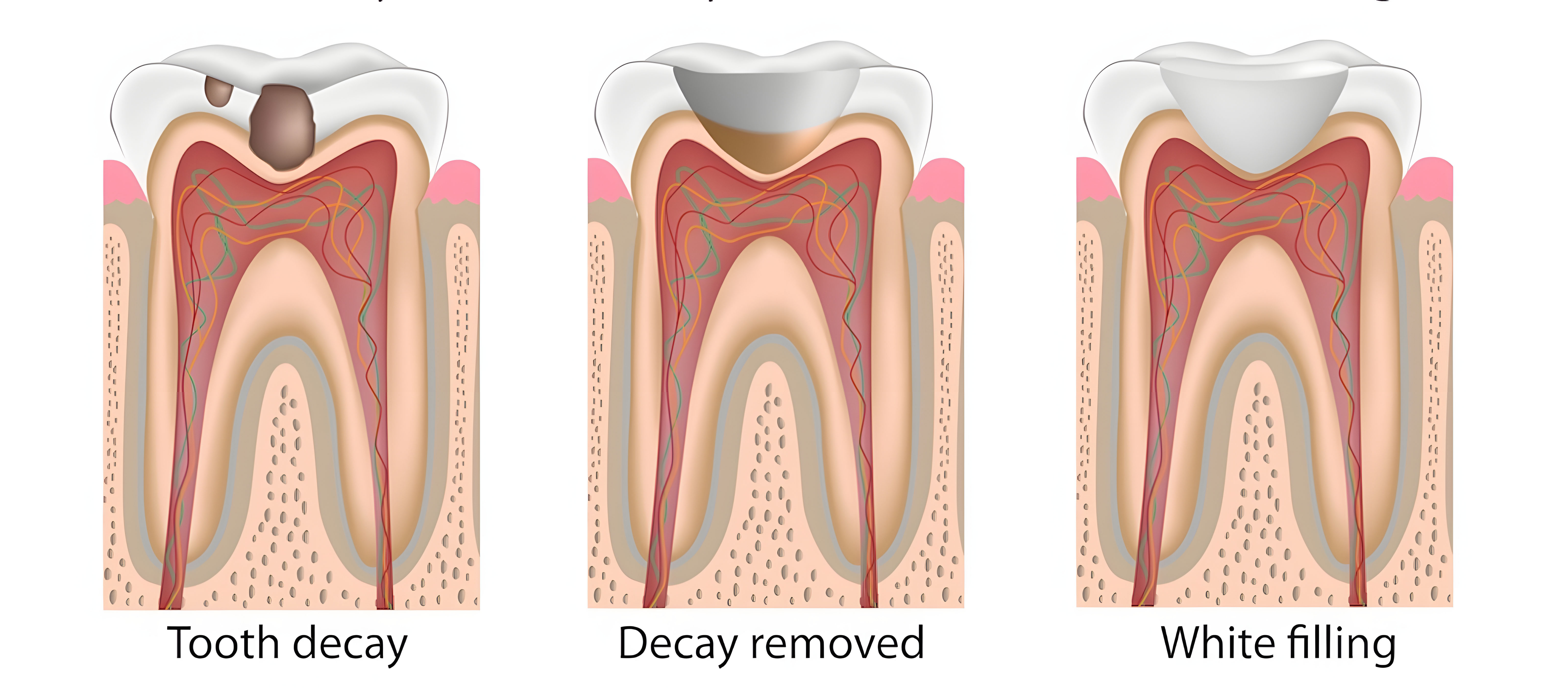
The procedure for placing composite fillings is similar to that of traditional silver amalgam fillings. First, your dentist will remove the decayed or damaged part of the tooth. Then, an adhesive material is applied to the tooth and the composite filling material is placed in layers. Each layer is cured with a special light before the next layer is applied. Finally, the filling is shaped and polished to match the natural contours of your tooth.
Aftercare for Composite Fillings
After getting a composite filling, you may experience some sensitivity to hot or cold temperatures for a few days. Your dentist may recommend using a desensitizing toothpaste or mouthwash to help manage this sensitivity. It is also important to maintain good oral hygiene by brushing and flossing regularly to help reduce the risk of future decay.
Conclusion
In conclusion, composite fillings are a commonly used option for selected dental restorations. They may offer aesthetic advantages and may help preserve healthy tooth structure in suitable cases. Like all dental materials, they also have limitations, and suitability should be assessed individually. If you are considering a composite filling, it is important to consult your dentist to determine whether it is appropriate for your clinical needs.
COMPOSITE FILLING BRANDS WE USE
Frequently Asked Questions (FAQs)
Composite fillings are made from resin and glass or quartz filler. They create a tooth-coloured material that may be used for repairing cavities, chips and cracks in suitable cases.
Composite fillings are tooth-coloured, commonly used in restorative dentistry and can be planned according to the size, location and clinical needs of the tooth.
Yes, there are two types of composite fillings: direct and indirect. The suitable option depends on the clinical case.
The procedure for composite fillings includes preparation, bonding and polishing. The dentist may numb the affected area, prepare the tooth, apply the composite material in layers, cure it using a special light, and shape and polish the filling to match the tooth's contours.
Yes, composite fillings are commonly used in restorative dentistry. They do not contain mercury and may be suitable for selected dental restorations after clinical evaluation.
Composite fillings are tooth-coloured and can blend with the natural colour of the tooth, while traditional silver amalgam fillings are silver-coloured and more visible. Material choice depends on the tooth, restoration size, location and clinical suitability.
The procedure for composite fillings is generally performed with local anaesthetic when required. Discomfort levels may vary depending on the individual case.
The length of the procedure for composite fillings depends on the size and location of the filling. It may often take around 30 minutes to an hour, depending on the case.
The lifespan of composite fillings may vary depending on oral hygiene, bite force, restoration size, dietary habits and regular dental check-ups.
Composite fillings may be used for cavities in both front and back teeth, depending on the size, location and clinical condition of the tooth.
Composite fillings may be used to repair cavities, chips, cracks and selected cosmetic imperfections, depending on clinical suitability.
Composite fillings are designed to withstand normal daily function such as biting and chewing. Durability may vary depending on the case, oral habits and maintenance.
Composite fillings may be used for children in suitable cases, but it is important to consult with a dentist to determine the appropriate option.
Composite fillings do not contain metal components and may be considered in suitable cases for people with metal allergies. A dentist should evaluate the patient’s individual condition.
In some cases, composite fillings may be used instead of a crown for small or minor dental restorations. For larger or more extensive repairs, a crown may be recommended. It is important to consult with a dentist to determine the suitable option.
Composite fillings may be used to repair a range of dental problems, including cavities, chips, cracks and selected cosmetic imperfections. However, they may not be suitable for larger or more complex restorations, where other treatments such as dental crowns or bridges may be recommended.
To support the longevity of composite fillings, maintain good oral hygiene: brush twice daily, floss daily, and visit your dentist for regular check-ups and cleanings. Avoiding habits such as nail biting, chewing ice, or teeth grinding may help reduce the risk of damage.
Get A Quote
Fill out the form below and our medical team will contact you within 24 hours.


 Deutsch
 Dutch
Dutch
 Russian
 Turkish