

 Deutsch
 Dutch
Dutch
 Russian
 Turkish

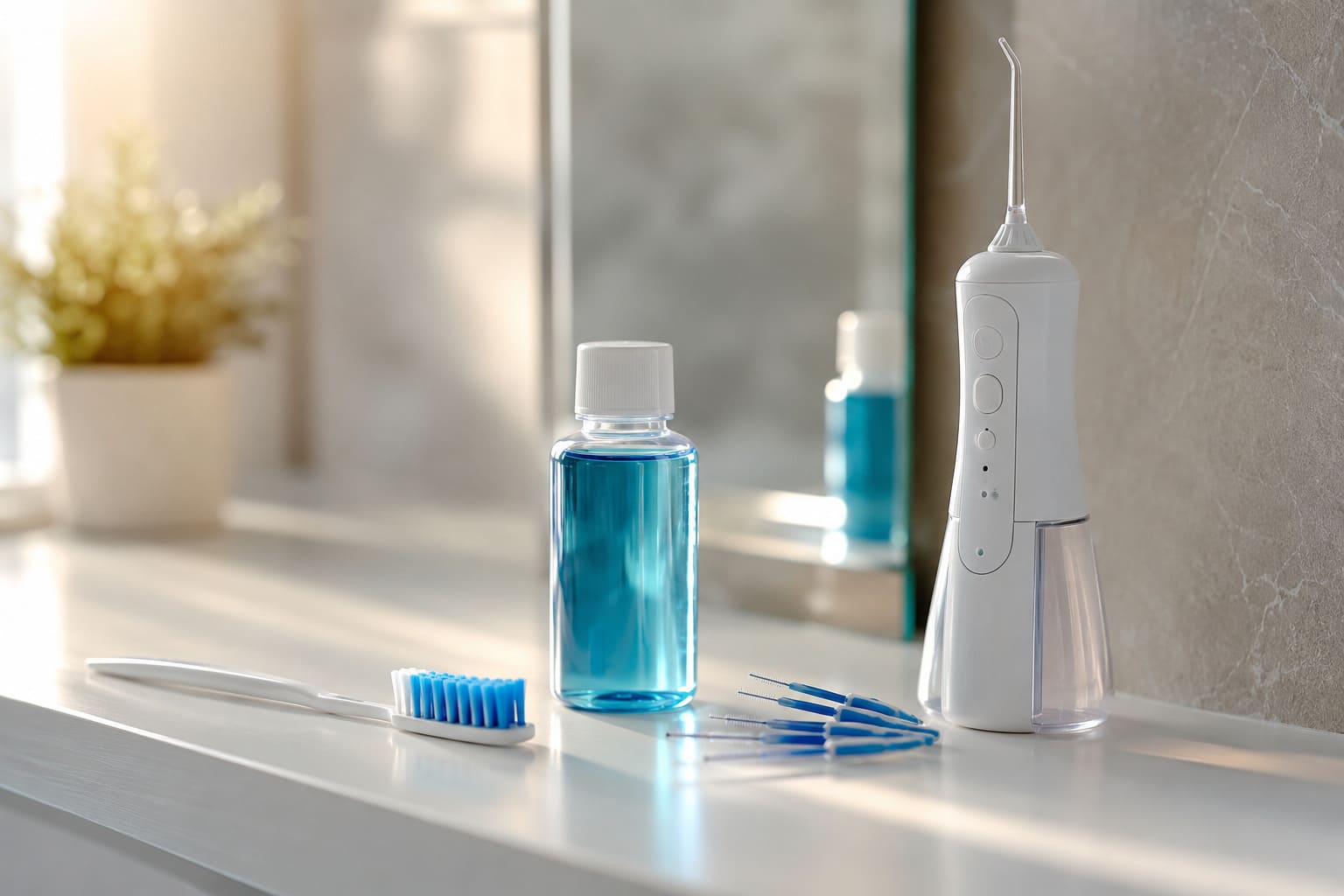
Your treatment is complete and your new smile looks exactly as planned. What happens next is just as important as the procedure itself. The right aftercare protects your investment, minimises discomfort and ensures your results last for years. Here is everything you need to know — from the first hour after leaving the clinic to long-term maintenance at home.
The First 24 Hours: What to Expect
The first day after dental treatment is when most patients experience the peak of any swelling, sensitivity or tenderness. This is normal and expected — it is your body responding to the procedure, not a sign that something has gone wrong.
- Swelling: Apply a cold compress or ice pack wrapped in a cloth to the outside of your face for 15–20 minutes at a time. Do not apply ice directly to skin.
- Pain: Take ibuprofen or paracetamol as directed. Avoid aspirin, which can increase bleeding. If pain is severe or worsening after 48 hours, contact the clinic.
- Bleeding (implant patients): Light oozing is normal for several hours after implant placement. Bite gently on the gauze provided. Do not rinse forcefully or spit — this can dislodge the clot.
- Sensitivity (veneer and crown patients): Some temperature sensitivity is normal for the first few days as gum tissue settles around the new restorations. This typically resolves within a week.
What to Eat and Drink After Treatment
Your diet in the days after treatment has a direct impact on healing and on the longevity of your restorations.
- First 24 hours: Soft foods only. Yoghurt, eggs, soup, mashed vegetables, soft fish, smoothies. Avoid anything hot — stick to lukewarm or cool foods.
- Days 2–7: Gradually reintroduce normal foods. Continue to avoid hard, crunchy or sticky items — nuts, crusty bread, chewing gum, hard sweets, raw carrots.
- Implant patients: Follow a soft diet for the first two weeks after implant placement. Your dentist will advise when it is safe to return to normal chewing on that side.
- Veneer and crown patients: Avoid biting into very hard foods directly on the new restorations. Cut food into smaller pieces and chew on both sides of the mouth.
- All patients: Avoid alcohol for at least 48 hours after treatment. Alcohol thins the blood and can interfere with healing. Avoid very hot drinks for the first 24 hours.
? Have a question about your aftercare? Our team is available by WhatsApp and email after your treatment — we are always here to help. Contact Our Team →
Oral Hygiene After Treatment
Keeping your mouth clean after treatment is essential — but the technique needs to be adapted to protect healing tissue and new restorations.
- Brushing: Use a soft-bristle toothbrush. Brush gently twice a day. Avoid brushing aggressively around the gum line for the first week.
- Flossing: Resume flossing after 48 hours, using care around any surgical sites. For implants, your dentist will advise on the correct technique — standard floss is not always appropriate in the early healing phase.
- Mouthwash: Use a chlorhexidine-based antiseptic rinse (such as Corsodyl) twice daily for the first week if prescribed by your dentist. Avoid alcohol-based mouthwashes — they can dry out and irritate healing tissue.
- Whitening products: Avoid whitening toothpastes and mouthwashes for at least two weeks after treatment. They can increase sensitivity and, in the case of composite restorations, cause uneven bleaching.
Long-Term Care for Veneers and Crowns
Well-maintained porcelain veneers and zirconia crowns can last ten to fifteen years or more. These habits protect your investment over the long term:
- Avoid biting nails, pens or hard objects: This is the most common cause of chipping in porcelain restorations.
- Wear a night guard if you grind: Bruxism (teeth grinding) significantly reduces the lifespan of veneers and crowns. If you know you grind at night, ask your local dentist to fit a custom night guard.
- Six-monthly check-ups: Continue attending regular check-ups with your UK or Irish dentist. They will monitor the margins of your restorations and flag any early issues.
- Avoid staining foods and drinks in excess: Coffee, red wine and turmeric can stain composite resin over time. Porcelain is more stain-resistant, but moderation and good hygiene keep results looking fresh.
- Do not use your teeth as tools: Opening packaging, biting thread or cracking nuts can fracture even the strongest ceramic restoration.
Long-Term Care for Dental Implants
Dental implants can last a lifetime with correct care. The implant fixture itself is titanium and does not decay — but the surrounding gum and bone tissue require ongoing attention.
- Implant-specific cleaning: Use an interdental brush or water flosser daily to clean around the implant crown and beneath the gum line. Standard floss alone is often insufficient.
- Regular professional cleaning: Visit a dental hygienist every six months. Professional cleaning removes calculus (tartar) from around the implant that home cleaning cannot reach.
- Monitor for peri-implantitis: This is an inflammatory condition affecting the tissue around an implant — similar to gum disease. Early signs include bleeding, swelling or discomfort around the implant. Contact your dentist promptly if you notice any of these.
- Avoid smoking: Smoking is the single biggest risk factor for implant failure. If you smoke, speak to your GP about cessation support before and after treatment.
When to Contact Dentist Kuşadası After You Return Home
Most aftercare is straightforward and can be managed at home. However, contact our team if you experience any of the following after returning to the UK or Ireland:
- Pain that is worsening rather than improving after 72 hours
- Swelling that is increasing after the first 48 hours
- A veneer, crown or temporary restoration that has come loose or detached
- Any sign of infection — unusual discharge, fever, persistent bad taste
- Sensitivity that is severe or not improving after two weeks
Our team is reachable by WhatsApp and email after your treatment. For urgent issues, we will coordinate with your local dentist and advise on the appropriate next step. In rare cases where a return visit to Kuşadası is required, this is covered under our written treatment guarantee.
✈️ Planning your dental trip to Kusadasi? Start with a free consultation — we will send you a full aftercare guide specific to your treatment before you travel. Book My Free Consultation →
Frequently Asked Questions
How long does sensitivity last after veneers?
Mild temperature sensitivity after veneer placement is normal and usually resolves within five to ten days. If sensitivity is severe or persists beyond two weeks, contact Dentist Kuşadası — it may indicate an issue with the bite or bonding that needs adjustment.
Can I fly home the day after my dental treatment?
For most cosmetic procedures — veneers, crowns, whitening — flying the day after your final appointment is fine. For surgical procedures such as implant placement, we recommend waiting at least 24–48 hours before flying, and always confirm with your treating dentist before booking your return flight.
Do I need to see my UK dentist after treatment in Turkey?
We recommend booking a routine check-up with your local dentist approximately six to eight weeks after returning home. This allows them to review your treatment, take any necessary X-rays and monitor the long-term health of your gums and surrounding teeth.
How long do dental implants take to fully heal?
Osseointegration — the process by which the implant fuses with the jawbone — typically takes three to six months. During this time the implant is stable but the final crown is not yet fitted. You will return to Kuşadası for the crown fitting once healing is confirmed.
What happens if a veneer chips or comes off after I return home?
Contact Dentist Kuşadası immediately. Keep the veneer if it has detached — do not attempt to reattach it yourself. Our team will advise whether it can be repaired by a local dentist or whether a return visit is required. All treatments are covered by our written guarantee.