

 Deutsch
 Dutch
Dutch
 Russian
 Turkish
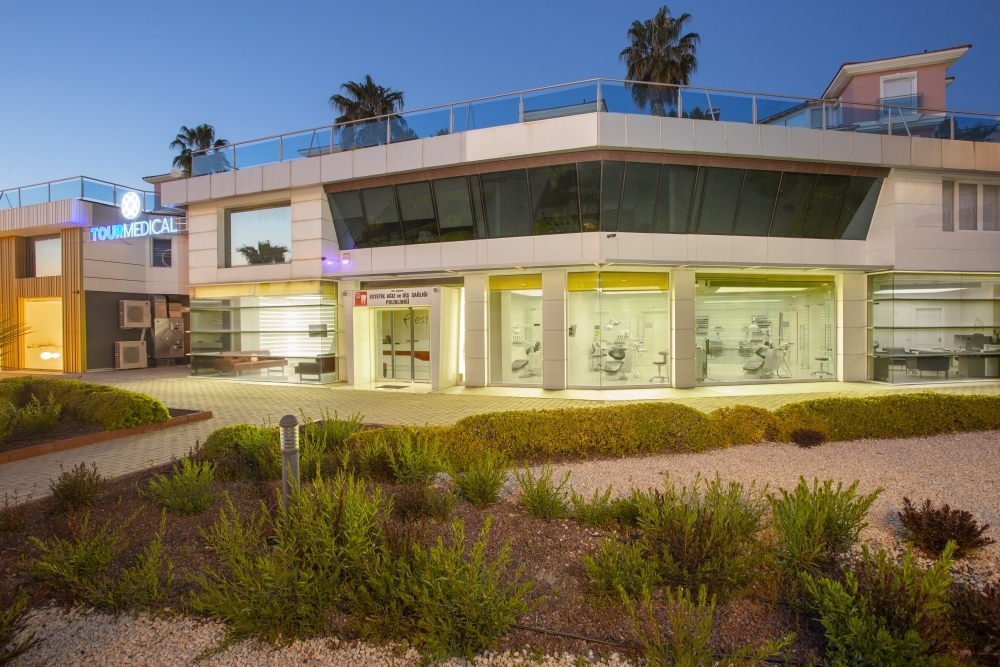
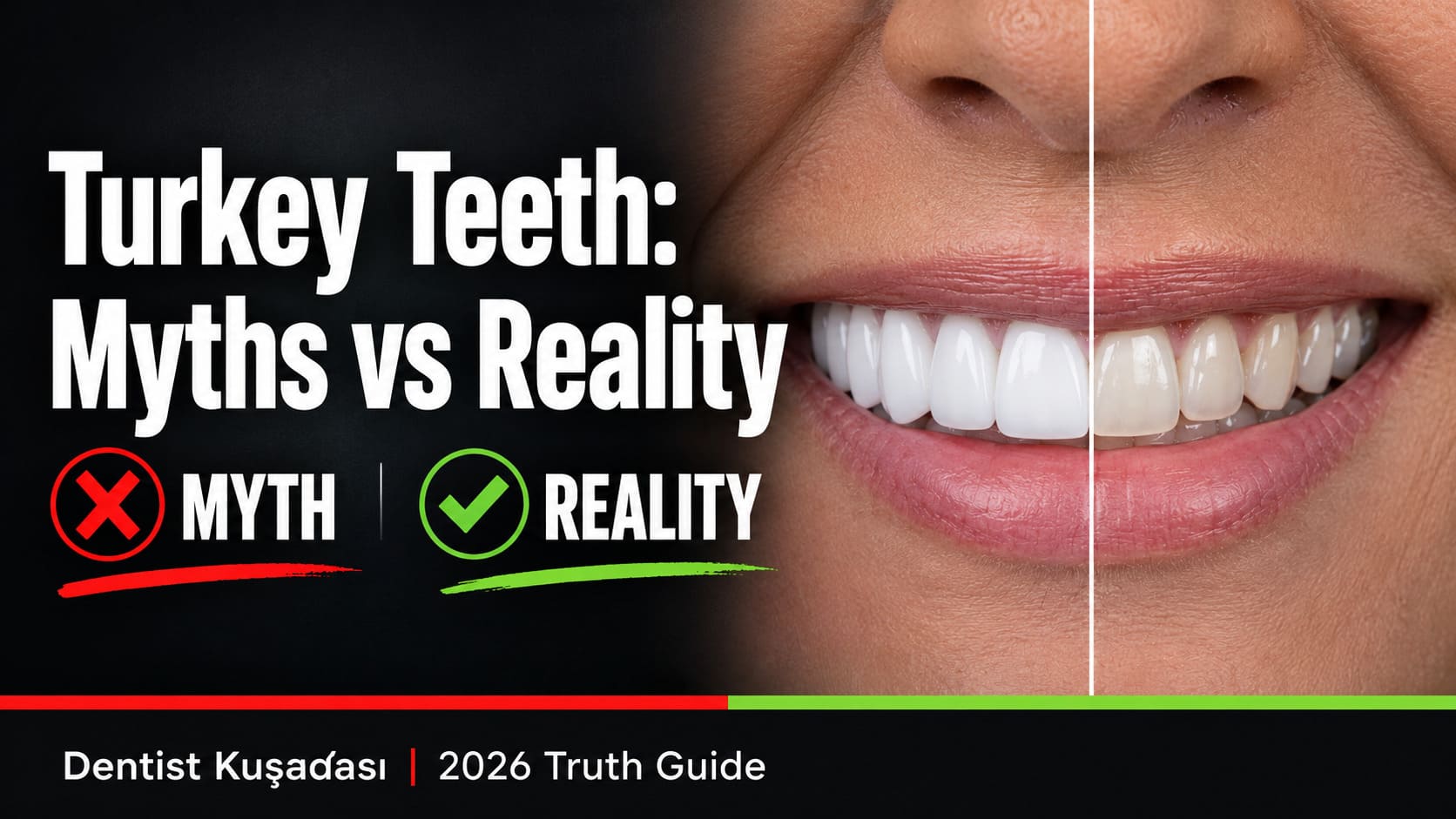
"Turkey teeth" has become one of the most searched phrases in UK dental media. It is used to describe everything from stunning smile transformations to dental disasters. The reality is far more nuanced — and far more useful to understand — than the headlines suggest. This guide separates the myths from the facts so you can make a genuinely informed decision.
Where Did the Term "Turkey Teeth" Come From?
The phrase entered mainstream UK conversation around 2021, when tabloid media began covering stories of patients returning from Turkey with dental work that looked unnatural — overcrowded veneers, oversized crowns, an artificially white shade that bore no resemblance to natural teeth. In some cases, patients also reported that excessive amounts of healthy tooth structure had been removed to accommodate the new restorations.
These stories were real. The problems reported were real. But the framing — that this was somehow a consequence of receiving treatment in Turkey — was not accurate. What the reporting actually described was the consequence of receiving treatment at a specific type of clinic: high-volume, budget-focused providers prioritising throughput over clinical quality, using oversized ceramic forms and aggressive tooth preparation to reduce laboratory complexity and speed up treatment times.
This type of provider exists in every country. The difference is that Turkey attracted media attention because of the sheer volume of patients travelling there — and because the contrast between the worst and best outcomes was stark enough to generate clicks.
Myth 1: "All Dental Clinics in Turkey Do Turkey Teeth"
Reality: The clinics responsible for the outcomes that generated the "Turkey teeth" coverage represent a fraction of Turkish dental practice. Turkey has over 30,000 registered dentists and thousands of licensed clinics operating to internationally comparable clinical standards. The Turkish Dental Association (TDB) governs professional conduct. The Ministry of Health licenses clinics and conducts inspections. Health tourism clinics must hold an additional authorisation certificate to legally treat international patients.
Reputable Turkish dental clinics — including Dentist Kuşadası — use conservative preparation techniques, internationally certified materials such as Ivoclar Vivadent e.max ceramics, and digital smile design to ensure proportionate, natural-looking results. The aesthetic outcome of treatment at a well-run clinic in Kusadasi is indistinguishable from the best cosmetic dentistry available in London or Dublin.
Myth 2: "The Teeth Are Filed Down Too Much"
Reality: This was the specific complaint in many of the worst cases reported in UK media — that healthy tooth enamel was aggressively ground down to prepare teeth for veneers or crowns. In skilled hands, the amount of tooth preparation for a porcelain veneer is minimal: typically 0.3 to 0.5 millimetres of enamel from the front surface. For a crown, more preparation is required, but it should be proportionate and conservative.
Aggressive over-preparation is a sign of poor technique or the use of thick, poorly fitted ceramic forms that require more tooth reduction to seat properly. The solution is to choose a clinic that uses thin-layer ceramic technology — e.max lithium disilicate veneers, for example, can be fabricated to as little as 0.3mm thickness — and intraoral scanning for precise fit without excessive preparation.
At Dentist Kuşadası, preparation technique and material thickness are discussed and documented in the treatment plan before any work begins. A digital smile design preview shows the anticipated result, and patients can review the temporary restorations — which replicate the final result — before permanent bonding is completed.
? Concerned about preparation technique? Ask us directly — we will explain exactly what your treatment involves before you commit. Ask Our Clinical Team →
Myth 3: "The Results Look Fake and Oversized"
Reality: The oversized, blindingly white veneers associated with "Turkey teeth" are an aesthetic choice — one that some patients actively request, and one that responsible clinics discourage when it is clinically inappropriate. The outcome of any cosmetic dental treatment reflects a combination of the patient's preferences, the dentist's aesthetic judgment, and the quality of the laboratory work.
At Dentist Kuşadası, the digital smile design process specifically addresses proportionality. The shape, size and shade of restorations are designed relative to your facial structure, lip line and gum tissue — not to a generic template. The goal is a result that enhances your natural appearance rather than replacing it with something artificial.
If you have seen results you would like your treatment to resemble — or results you want to specifically avoid — bring photographs to your consultation. The more clearly you can communicate your aesthetic goals, the more precisely they can be delivered.
Myth 4: "Turkish Dental Clinics Are Not Regulated"
Reality: Turkish dental practice operates under a clear regulatory framework. The Ministry of Health licenses all dental clinics and carries out inspections. Individual dentists must be registered with the Turkish Dental Association and hold a recognised university qualification. Clinics treating international patients must obtain a separate Health Tourism Authorisation Certificate.
The problem with unregulated or poorly regulated practice is not unique to Turkey — and in many of the cases that generated the "Turkey teeth" coverage, the clinics involved were operating at the edge of or outside regulatory standards. The answer is not to avoid Turkey; it is to verify the credentials of the specific clinic you are considering.
Myth 5: "You Cannot Get Good Quality at Turkish Prices"
Reality: The cost difference between Turkey and the UK for cosmetic dental treatment is driven by structural factors — lower labour costs, lower clinic overheads, a government-supported health tourism infrastructure — not by inferior materials or less qualified dentists. The same internationally certified ceramics, the same implant systems and the same digital technology are available in Kusadasi at a fraction of their cost in London or Dublin.
The patients who have the worst outcomes in Turkey are not the ones who spent the most — they are the ones who chose the cheapest available option without verifying clinical credentials, material quality or the clinic's track record. Price is not a proxy for quality in either direction: the most expensive clinics in the UK do not always produce the best results, and the most affordable clinics in Turkey do not always produce the worst.
How to Avoid a Bad Outcome — Wherever You Have Treatment
The risk factors for a poor dental outcome are the same in any country. They include:
- Choosing a clinic primarily on price without verifying credentials
- Not receiving a written treatment plan before agreeing to proceed
- Not seeing a digital preview or temporary restoration before final bonding
- Not confirming which materials will be used and from which manufacturer
- Not checking independent reviews across multiple platforms
- Not confirming the clinic holds the appropriate licences and accreditations
Dentist Kuşadası addresses every one of these points as standard. A written treatment plan, a fixed price, a digital smile design preview, confirmation of material brands, independently verifiable credentials and a written guarantee are all part of our process for every patient.
✈️ Want to see real results from Dentist Kuşadası before you decide? Request our before-and-after gallery during your free consultation. Book My Free Consultation →
Frequently Asked Questions
What exactly does "Turkey teeth" mean?
The term originated in UK tabloid media around 2021 to describe dental results — typically veneers or crowns — that looked unnatural, oversized or white to the point of appearing artificial. It became associated with dental tourism to Turkey, though the problems described were specific to a subset of high-volume, low-cost providers rather than Turkish dentistry as a whole.
Is it safe to get veneers in Turkey?
Yes — at a properly licensed, accredited clinic with a verifiable track record. The risks associated with poor outcomes in Turkey are the same as those associated with poor outcomes anywhere: inadequate preparation, inappropriate material selection and insufficient patient assessment. These risks are mitigated by choosing a regulated clinic that uses internationally certified materials and provides a written treatment guarantee.
How can I tell if a Turkish clinic is reputable?
Verify the Ministry of Health Operating Licence number, confirm the treating dentist's TDB registration, check for a Health Tourism Authorisation Certificate, read independently verified reviews on Google and Trustpilot, request before-and-after photos of previous similar cases, and confirm in writing which materials will be used.
Do natural-looking veneers cost more?
Not necessarily. Natural-looking results depend more on the dentist's aesthetic skill and the quality of the laboratory work than on material cost alone. e.max lithium disilicate — a mid-to-premium ceramic — is actually less expensive to work with than some complex multi-layered alternatives, while producing highly natural-looking translucency. The key variable is the skill of the ceramicist, not the price tag.
Can I see my new smile before permanent bonding?
Yes. At Dentist Kuşadası, temporary restorations are fitted before the final ceramic restorations are bonded. These temporaries replicate the shape, size and approximate shade of your final result. You wear them for one to two days and review them before giving approval for the final bonding. If anything needs adjustment, it is made at this stage.